Flat Clearance Seven Sisters — Recycling & Sustainability
At Flat Clearance Seven Sisters we prioritise an eco-friendly waste disposal area that supports the local community and the environment. Our Seven Sisters flat clearance teams are trained to separate, divert and dispose of materials to minimise landfill. We operate with a clear recycling percentage target and a practical plan to reach it, while delivering dependable rubbish clearance in Seven Sisters for flats, tenements and HMOs.
Our Recycling Commitment and Targets
We have set an ambitious recycling percentage target of 70% for all flat clearances and related waste streams within Seven Sisters operations. This target covers reuse, repair, material recycling and energy recovery where appropriate. The aim is to continuously increase that figure year on year by improving segregation at source and partnering with local re-use organisations.
How we achieve higher recycling rates
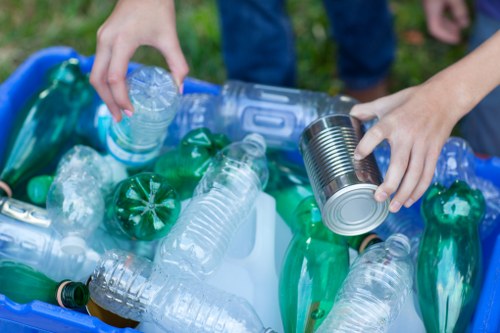
Our approach to achieving the recycling target combines careful on-site sorting, routes to local transfer stations and donation pathways. Where boroughs near Seven Sisters (including Haringey and neighbouring councils) recommend separate food waste, glass, paper and mixed recyclables, our teams follow those guidelines to ensure compliance with local waste separation policies. These practices help us hit targets for sustainable rubbish area management and reduce contamination.
Local Transfer Stations and Processing
We use accredited local transfer stations and recycling centres to keep the eco-friendly disposal chain short and efficient. Rather than transporting mixed loads long distances, we segregate at collection and deliver materials to nearby facilities and borough transfer stations. This reduces vehicle mileage and ensures materials like metals, wood, textiles and electronics are directed to the right processors.
Examples of material routes include:
- Textiles and usable clothing to charity reuse centres or textile recyclers
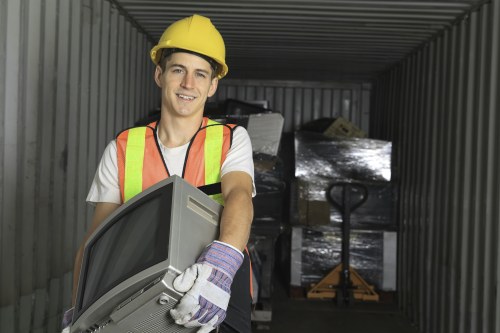
- Electronic waste to licensed WEEE processors
- Metals and hard plastics to specialist recyclers
- Bulky furniture assessed for repair and donated where possible
The list above illustrates our careful triage as part of a broader sustainable rubbish area policy across the service.
 We respect local borough guidance: routine separation of glass, cans, paper and food waste aligns with Haringey and adjacent councils' approaches. Light coordination with council recycling teams helps smooth municipal transfer when required, and makes it easier for us to support community recycling drives.
Partnerships with Charities and Reuse Networks
One cornerstone of our sustainability model is forging long-term partnerships with charities and social enterprises. Where items are fit for reuse, we work with local charities — including furniture reuse partners and clothing banks — to ensure items get a second life. These partnerships reduce waste, support people in need, and contribute to a circular economy across Seven Sisters.
Typical charity partnerships and reuse outcomes:
- Working with local furniture reuse charities to redistribute sofas, tables and working appliances
- Donating usable clothing and textiles to charity shops and community projects
- Collaborating with employment-focused social enterprises that repair items and provide job training
Through these collaborations we turn flat removals Seven Sisters into opportunities for community benefit rather than waste streams.

Low-Carbon Vans and Sustainable Logistics
Our fleet includes low-carbon vans and fuel-efficient vehicles to reduce emissions during collection and transport. Route planning, consolidation of loads and frequent driver training further reduce our carbon footprint. Using low-emission vehicles for flat clearance in Seven Sisters supports an overall low-impact, sustainable rubbish area program.
Small operational choices add up: choosing low-carbon vans, timing collections to avoid congestion and lowering idle times helps lower emissions while maintaining reliable services for customers.
Measuring Progress and Community Impact
We monitor recycling rates, diversion percentages and the weight of materials sent for reuse versus landfill. Monthly reporting helps us refine processes to meet and exceed our 70% recycling percentage target. We also regularly review partnerships with transfer stations and charities to ensure the most efficient and ethical routes for materials.
Key performance measures include:
- Percentage recycled, reused or repaired
- Tonnes diverted from landfill
- Number of items donated to charities or reused locally
These metrics inform our continuous improvement and sustainability strategy.
Commitment to Responsible Flat Clearance
Flat Clearance Seven Sisters is committed to maintaining a practical, eco-friendly waste disposal area policy that balances operational needs with ambitious environmental goals. Our integrated approach — combining local transfer stations, charity partnerships, borough-aligned separation practices and low-carbon vans — creates a resilient, community-focused model for sustainable flat clearance and rubbish management in Seven Sisters.
Final note on sustainable practice
We continue to adapt and improve, investing in staff training, vehicle efficiency and partner relationships so the Seven Sisters area benefits from reduced waste, increased reuse and a stronger circular economy. If you need reliable Seven Sisters flat clearance services that prioritise sustainability and an effective sustainable rubbish area strategy, our model demonstrates how responsible disposal can be both practical and planet-friendly.